How Does Sun Exposure Affect Melasma?

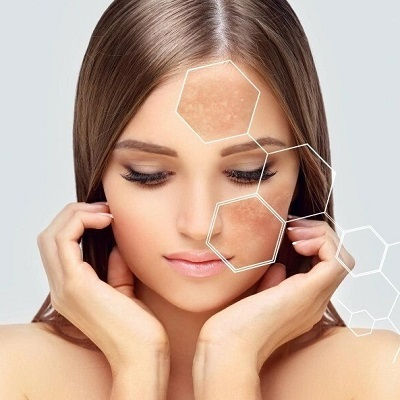
Melasma is a common pigmentation disorder that appears as brown or gray patches on the face, typically affecting the cheeks, forehead, nose, and upper lip. Although many factors contribute to melasma, sun exposure is considered the most powerful and consistent trigger. Even minimal exposure to sunlight can worsen existing pigmentation or cause new patches to form. Understanding how the sun affects melasma is essential for both treatment and long-term management.
For individuals seeking melasma in Islamabad, controlling sun exposure is one of the most important steps in achieving successful results. Without proper protection, even advanced treatments may not deliver long-lasting improvement.
Understanding Melasma And Skin Pigmentation:
Melasma occurs when melanocytes in the skin produce excess melanin, leading to uneven dark patches. This process is influenced by hormones, genetics, heat, and most importantly, ultraviolet (UV) radiation from the sun.
Because melasma is sensitive to environmental triggers, sun exposure plays a major role in its development and recurrence.
Why Sun Exposure Is A Major Trigger:
Sunlight contains UV rays that stimulate melanocytes, increasing melanin production. For individuals prone to melasma, this response becomes exaggerated, leading to visible pigmentation.
Even brief sun exposure without protection can:
Darken existing patches
Trigger new pigmentation
Reverse treatment progress
UVA And UVB Rays Impact On Melasma:
Both UVA and UVB rays contribute to melasma, but in different ways:
UVA rays penetrate deeper into the skin and worsen pigmentation over time
UVB rays cause surface-level damage and inflammation
Together, they significantly increase melanin production and worsen melasma symptoms.
Visible Light And Heat Also Contribute:
Many people are unaware that visible light and heat can also worsen melasma. Exposure to heat sources such as sunlight, cooking heat, or saunas can stimulate pigment-producing cells.
This means melasma can worsen even without direct sunburn.
Sun Exposure And Treatment Resistance:
One of the biggest challenges in melasma treatment is sun-induced resistance. Even after successful treatment, continued sun exposure can cause pigmentation to return.
This is why sun protection is considered just as important as treatment itself.
Understanding Treatment Costs And Sun Protection:
Patients often evaluate the melasma treatment cost before starting therapy. However, without proper sun protection, treatment results may not last, leading to repeated sessions.
This makes sun protection a critical part of long-term cost efficiency and treatment success.
How Sun Exposure Affects Treatment Results:
Sun exposure can significantly reduce the effectiveness of melasma treatments. Even the most advanced therapies may not work properly if the skin is continuously exposed to UV rays.
Effects include:
Slower improvement
Uneven results
Higher chance of recurrence
Importance Of Sunscreen In Melasma Management:
Sunscreen is the most essential protective measure against sun-induced melasma. It helps block harmful UV rays and prevents pigmentation from worsening.
Effective sunscreen habits include:
Daily application regardless of weather
Reapplication every few hours
Using broad-spectrum SPF protection
Protective Clothing And Lifestyle Changes:
In addition to sunscreen, physical protection also plays a key role in managing melasma.
Helpful measures include:
Wearing wide-brim hats
Using sunglasses
Avoiding peak sunlight hours
Seeking shade when outdoors
These habits reduce direct UV exposure significantly.
Indoor Sun Exposure Still Matters:
Many people believe melasma is only affected by outdoor sun exposure, but UV rays can also penetrate windows. This means indoor exposure near sunlight can still contribute to pigmentation.
Protective measures should be followed even indoors when near windows.
Long-Term Effects Of Sun Exposure On Melasma:
Repeated sun exposure without protection can make melasma more stubborn and difficult to treat. Over time, pigmentation may become deeper and more resistant to treatment.
This is why long-term sun protection is essential for maintaining results.
Emotional Impact Of Sun-Induced Flare-Ups:
Frequent flare-ups caused by sun exposure can be frustrating for patients. Many individuals feel discouraged when pigmentation returns after treatment.
Consistent sun protection helps reduce this emotional burden and improves confidence.
Who Is Most Affected By Sun Exposure?
Some individuals are more sensitive to sun-induced melasma, including those who:
Have a family history of pigmentation
Experience hormonal changes
Live in sunny climates
Have medium to darker skin tones
These individuals require stricter sun protection routines.
Final Thoughts:
Sun exposure is one of the most significant factors affecting melasma development, progression, and recurrence. UV rays, heat, and visible light all contribute to worsening pigmentation and reducing treatment effectiveness. Consistent sun protection, including sunscreen and lifestyle adjustments, is essential for managing melasma successfully. For expert evaluation and personalized treatment plans, Royal cosmetic surgery clinic offers advanced melasma solutions designed to help patients achieve clearer, healthier, and more even-toned skin while maintaining long-term results:


Comments